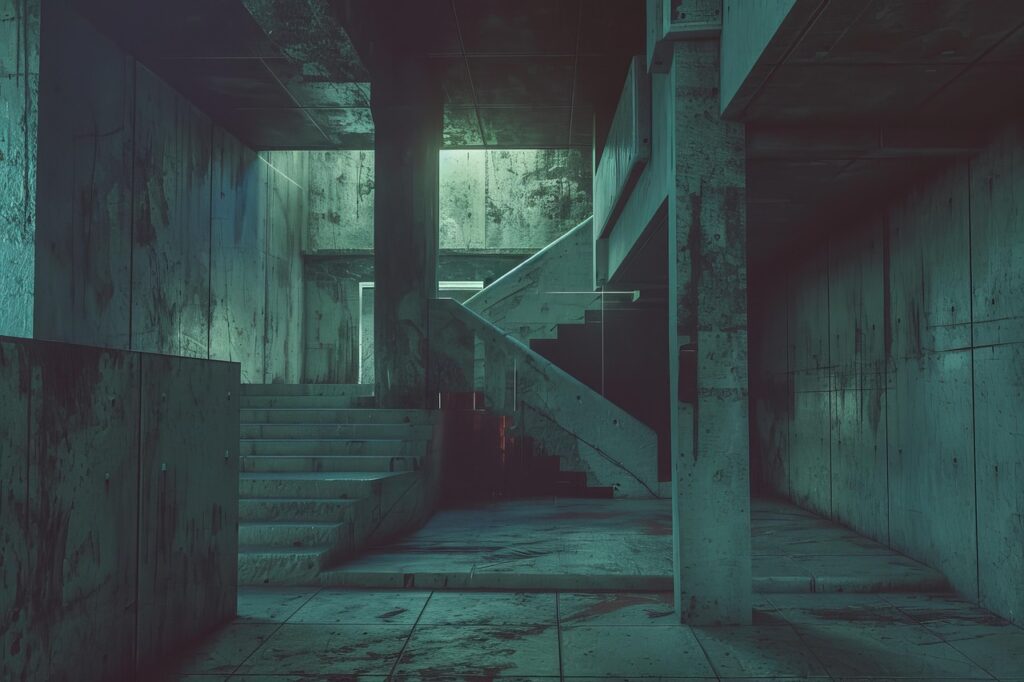
The landscape of underground culture has undergone a decisive transformation. No longer confined to obscure venues or physical spaces, it now exists across hybrid environments—digital, urban, and decentralized.
It thrives in contradiction:
hyper-visible yet elusive, globally connected yet deeply local, curated yet raw.
This is not a revival of past subcultures—it’s an evolution shaped by technology, disillusionment, and a demand for unfiltered expression.
Defining the New Underground
Beyond Traditional Subculture Labels
Old subcultures were easy to identify—clear genres, fashion codes, and geographic scenes. The new underground rejects those boundaries.
Instead, it exists as a network of overlapping micro-scenes, each with its own identity.
Core Traits of the Movement
- Decentralization – No central authority or hub
- Fluid identity – Movement between scenes is constant
- Digital-first discovery – Platforms are entry points, not homes
- Anti-algorithmic intent – Content often avoids mainstream visibility
The result is a culture that feels fragmented yet deeply connected.
The Role of Digital Platforms
The internet has removed traditional barriers to entry. What once required physical access is now globally reachable—if you know where to look.
From Gatekeepers to Independence
Creators now operate outside institutions, leading to:
- Direct engagement with audiences
- Faster global exchange of ideas
- Short-lived, fast-moving trends
But visibility isn’t the goal. Discovery is intentional—rewarding curiosity over passive scrolling.
Sound as Identity
The Evolution of Underground Music
Music remains central, but genres have dissolved into fluid, hybrid forms.
Key Sonic Characteristics
- Lo-fi production focused on texture
- Blending of punk, electronic, ambient, and hip-hop
- Emotional rawness over technical perfection
This is music made for intimate, personal spaces—not mass consumption.
Visual Aesthetics: Curated Chaos
The visual language of the underground blends nostalgia with disruption.
Dominant Visual Themes
- Grainy textures and analog imperfections
- Muted palettes with sudden neon accents
- Fragmented, non-linear imagery
This aesthetic rejects perfection and embraces visible process and distortion.
Fashion as Expression
Anti-Trend, Anti-Brand
Fashion in the underground is personal, not performative. It’s about recognition within the right circles—not mass visibility.
Key Style Elements
- Thrifted or reconstructed clothing
- Layering that breaks traditional silhouettes
- Subtle references to niche influences
Branding is often avoided or reinterpreted. Identity comes first.
Physical Spaces: Where It Becomes Real
Despite its digital reach, underground culture still relies on physical environments.
Common Spaces
- Basement shows and DIY venues
- Pop-up exhibitions in abandoned spaces
- Independent clubs outside mainstream circuits
These spaces are often temporary—appearing and disappearing quickly, resisting commercialization.
The Power of Anonymity
Identity Without Exposure
Unlike mainstream culture, which rewards visibility, the underground often embraces anonymity.
Why It Matters
- Focus shifts from person to work
- Creative freedom increases
- Collective identity becomes stronger
Aliases, masks, and digital personas aren’t gimmicks—they’re tools for expression without limitation.
Final Perspective: Culture Without Permission
The new underground doesn’t seek approval—it exists out of necessity.
It’s not designed for instant understanding. It reveals itself slowly through participation and exploration.
Those who engage deeply find:
- Unrestricted creativity
- Fluid identity
- Authentic cultural exchange
This isn’t a trend—it’s a structural shift in how culture is created and experienced.
And it’s growing quietly, reshaping everything from the inside out.


More Stories
Nothing Matters, So Make Something Anyway
What ‘Alternative’ Even Means Anymore